Building assessment
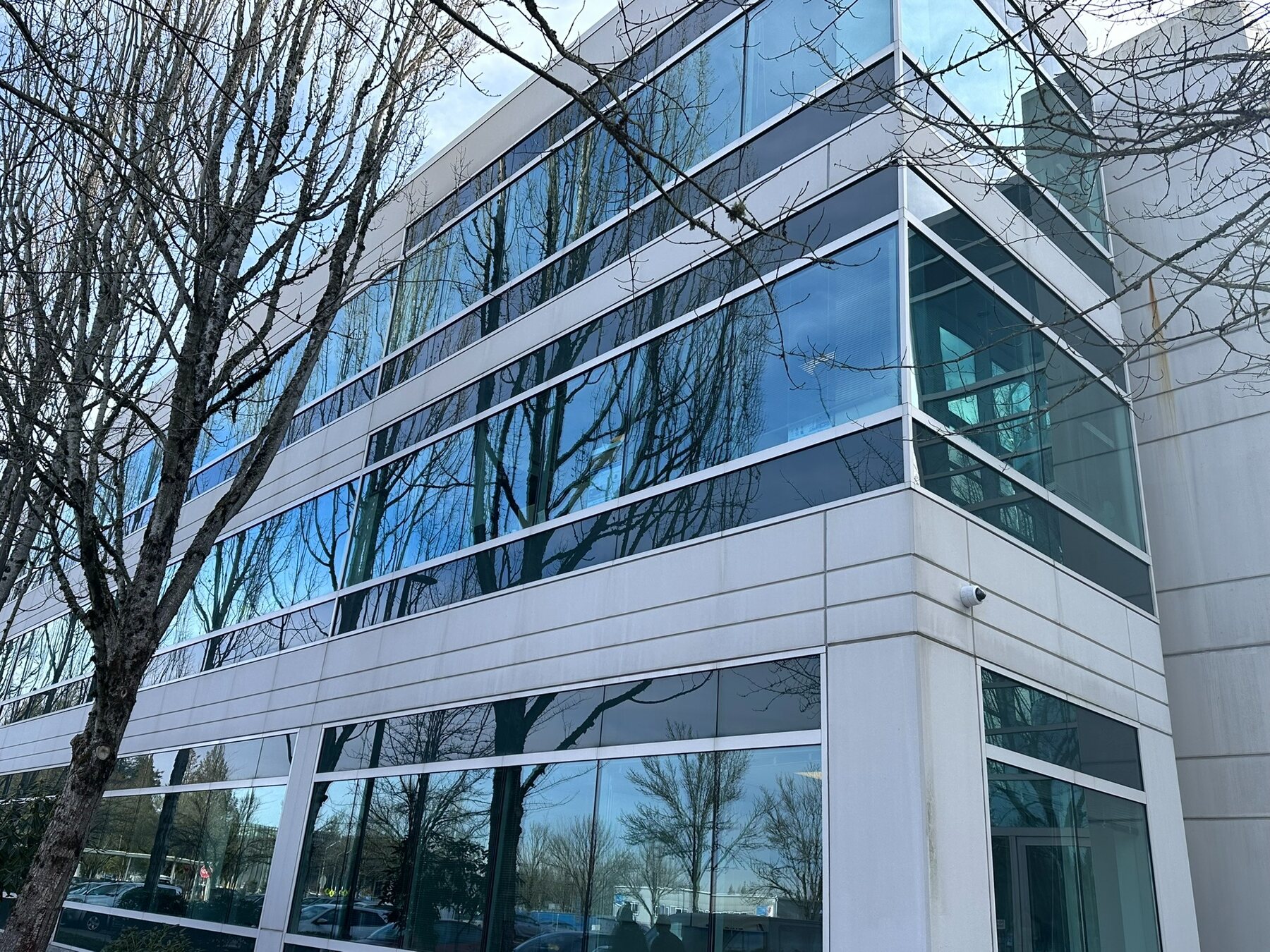
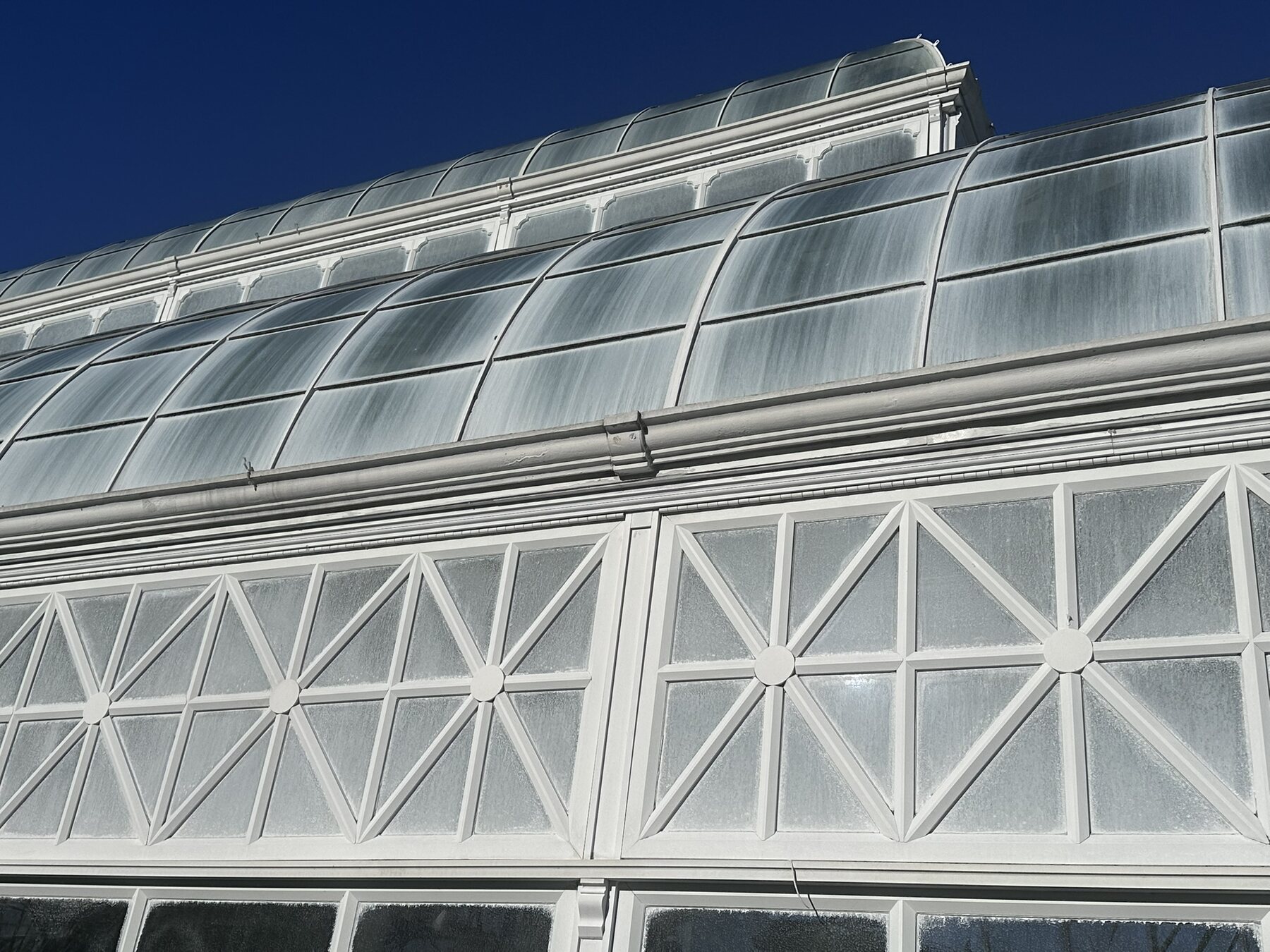
We document and classify façades using glass continuity, reflectivity, and structural design.
We study bird–glass collision risk across Puget Sound, monitor where collisions occur, and work with students and community partners to make windows safer for birds.
Reflections can look like trees or open sky, while transparent passageways can appear to offer a clear flight path. Birds may fly toward these visual cues without recognizing the glass as a barrier.
collisions happen at low-rise and residential buildings — not just downtown towers. The risk is spread across the whole region.
and transparency are the core problem. The more continuous and mirror-like the glass, the higher the risk.
Patterns, films, and dot markings on glass sharply reduce collisions. The knowledge exists — it just needs to be applied.
We surveyed 121 building façades across Seattle and Redmond and classified each using three features: glass continuity, reflectivity, and structural design. Of those façades, 64.5% were classified as high risk.
Our survey suggests that potentially hazardous glass is widespread, rather than limited to a handful of prominent downtown buildings.
We document and classify façades using glass continuity, reflectivity, and structural design.
We monitor buildings for collision evidence and plan to compare observations with the risks identified in our assessments.
High-risk = continuous, highly reflective glass with little or no visible mitigation.
Our fieldwork connects building design, collision monitoring, data collection, and prevention technology.
You don’t need a big team — two or three committed people can run a monitoring route and start changing how our community treats glass. We work alongside the Puget Sound’s established bird-collision volunteers and share everything we find.
Interested in joining or starting a chapter at your school? Reach out — we’ll help you get set up.
Walk assigned buildings during spring and fall migration and record signs of collisions.
Log every bird we find to dBird.org so it counts toward the citywide picture.
Score our own school’s windows for risk — and push for fixes where they’re needed.
Show classmates and neighbors that this is a real, solvable problem.
You don’t have to be a scientist. These three steps genuinely reduce bird deaths.
Found a bird that hit a window? Logging it takes two minutes and helps identify dangerous buildings.
Report at dBird.org →Birds Connect Seattle runs a collision-monitoring project each migration season; regional Audubon chapters cover the wider Puget Sound.
Volunteer with Birds Connect Seattle →Add patterns or dots spaced no more than 2 inches apart so birds can see the glass. Small change, real impact.
See how at American Bird Conservancy →BirdSafe Puget Sound is a student-led research and conservation initiative investigating why bird–glass collisions occur and how building design, monitoring, and technology can help prevent them. The project combines field surveys, collision monitoring, engineering research, and community action across the Puget Sound region.